Bivouac Gear Checklist for a 2-Day Mountain Trek
This list is also valid for an overnight stay in a mountain hut with minor adjustments noted below.

Are you heading out for a multi-day hike with a bivouac in the Alps or an overnight in a refuge?
Below is our recommended packing list to ensure a positively memorable experience, even in challenging weather.
This list helps you balance hiking comfort—keeping your shoulders light—while not sacrificing nighttime comfort or essential safety items.
Above all, it encourages you to work with what you already own and minimize purchases of potentially unnecessary gear and gadgets.
As a reminder, the mountain guide leading the outing can lend you quality equipment. Items available for loan are marked with an asterisk (*).
We encourage you to take time preparing your backpack carefully. Mountains are beautiful and idyllic in good weather, but they remain non-sterile environments that can become challenging if you're poorly equipped for the unexpected.
The guide reserves the right to refuse departure for any participant whose equipment doesn't match the outing's demands.
In a 30-40 Liter Backpack
(The pack can be reduced to 20-30 liters for children)
- A sleeping bag
*(recommended comfort rating 0°C/32°F, or 15°C/59°F for hut stays) - A sleeping pad
*: foam or inflatable mattress (optional for hut stays) - A water bottle or bottles (2 liters per person)
- A change of clothes including t-shirt/shirt, underwear, and warm leggings
- A small toiletry kit containing sunscreen, bandages (for potential blisters), toilet paper, personal medications, and a small bar of soap. The mountain guide will carry a more comprehensive first-aid kit.
- A headlamp
* - A hat, lightweight gloves, and a neck gaiter
- Snacks, if you're used to nibbling while hiking
- A dry bag or garbage bag to serve as a waterproof liner, protecting your change of clothes and sleeping bag in case of rain
In the Pack or On Your Body
Depending on the weather, these items should be able to fit in your backpack or simply be worn to stay warm:
- A fleece or pullover
- A waterproof jacket or rain poncho
- A warm jacket (light down jacket) or a second fleece
On Your Body
Everyone has their own hiking habits, but we strongly recommend:
- A t-shirt/shirt and underwear
- Lightweight hiking pants
- Shoes with lugged soles (≠ smooth soles; ankle-high or low depending on your preference—avoid brand-new shoes)
- A cap or sun hat
- Sunglasses (essential for children, strongly recommended for adults)
- Hiking poles
*(if needed; not recommended for children)
That's it! This is a minimalist list inviting you to pack only what's necessary and essential.
If you're trekking from refuge to refuge or staying at mountain gîtes, this list still applies, except you can leave the sleeping pad at home. You can also opt for a lighter sleeping bag (comfort rating ~15°C/59°F) and depart with a maximum 30-liter pack.
For bivouacs with donkeys, plan for a small pack (20-30L) and a second canvas bag for the saddlebags. And voilà—light shoulders and the company of these adorable long-eared companions.
The Stove and Tent
For Altimood experiences, you won't need to bring a tent or stove.
The mountain guide leading the hiking weekend will handle meals using healthy, local, and lightweight ingredients. These ingredients will be distributed among participants' backpacks.
They'll also bring appropriate shelter for the planned level of immersion—this could be a tarp, a shaped shelter, a tent, or even a teepee.
For the stove and utensils, the guide handles everything (unless otherwise noted when you book).
A Rope
In theory, outings led by mountain guides don't involve rope progression.
However, being near giant mountains like those in the Écrins National Park demands humility and anticipation of potential surprises.
The guide brings a safety kit that typically includes a 30-meter hiking rope.
So, are you ready to wake up in the mountains?
Don't zip up your pack too quickly! At departure, a friendly check of equipment and backpack weight will be done pedagogically. This way, you can organize your contents with the best practices in mind.
5kg of lead can feel lighter on your shoulders than 5kg of feathers—it's all about compression!
Preparing Your Gear Before a Bivouac
Prepare your equipment carefully—it's a safety guarantee. A check and adjustment of backpacks will be done at departure.
If you're missing an item, please inform your guide in advance so we can find a solution. For safety reasons, the guide may refuse participation for anyone with inadequate equipment for the outing's demands.
Renting Bivouac Gear
Looking at this comprehensive list might raise an important question: do you need to buy everything? If you're a beginner, go out occasionally, or simply want to test quality equipment without investing, rental is an ideal solution. For outings with us, it's optional: we systematically lend adapted equipment. But if you want to try again and test different gear, rental services exist for bivouac packs that include all the essentials, ensuring a successful outing with high-performance equipment without cluttering your home.
Also Discover Bivouac Experiences
 France | Alpes
Mountain bivouac in the Alps
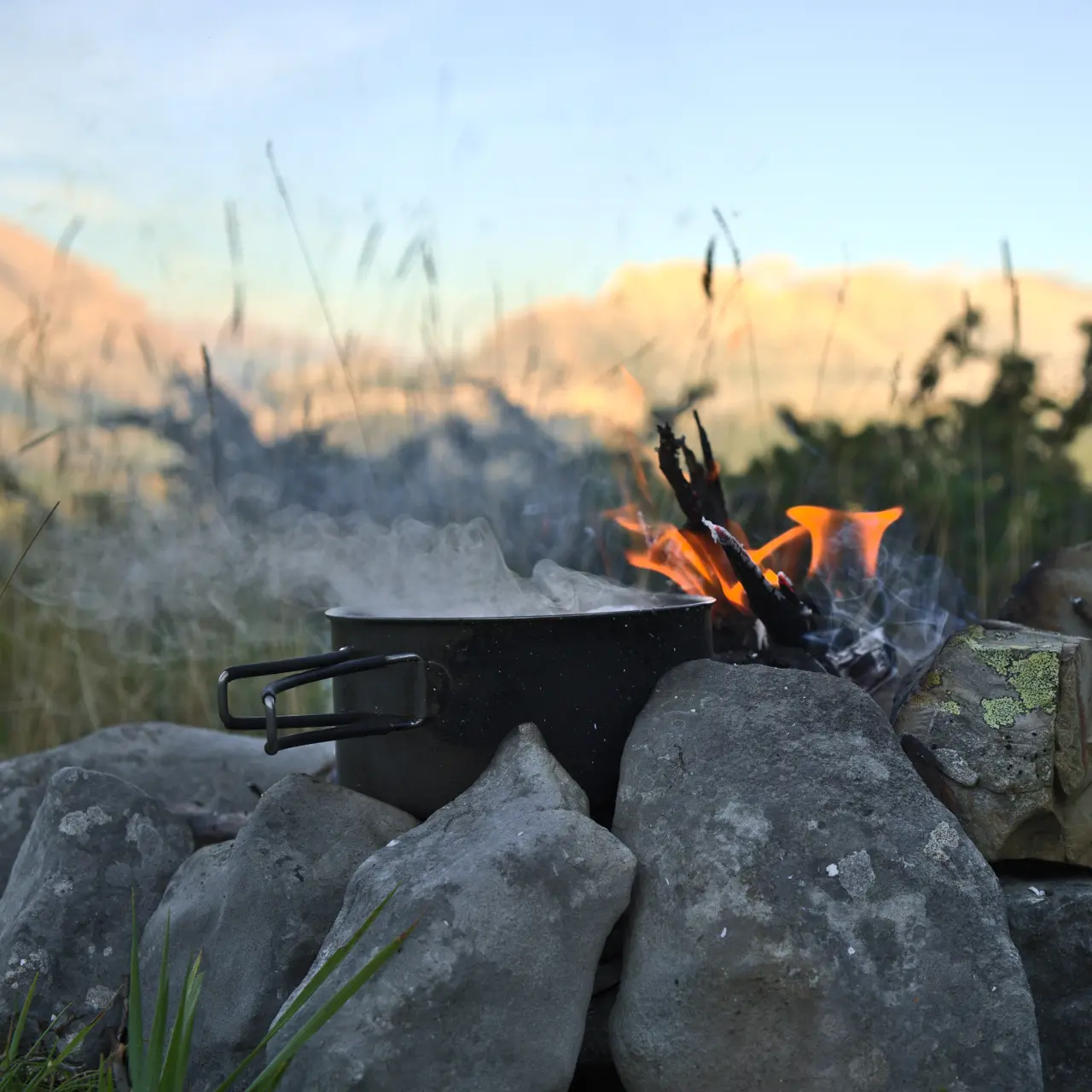
From $263 – 2 joursGo hiking in the mountains to enjoy the sunset, a shepherd's meal cooked on the coals and fall asleep under the stars sky. A 2 days hiking trip in the Alps.
Know more →
 France | Alps
Snowshoeing & Winter Bivouac
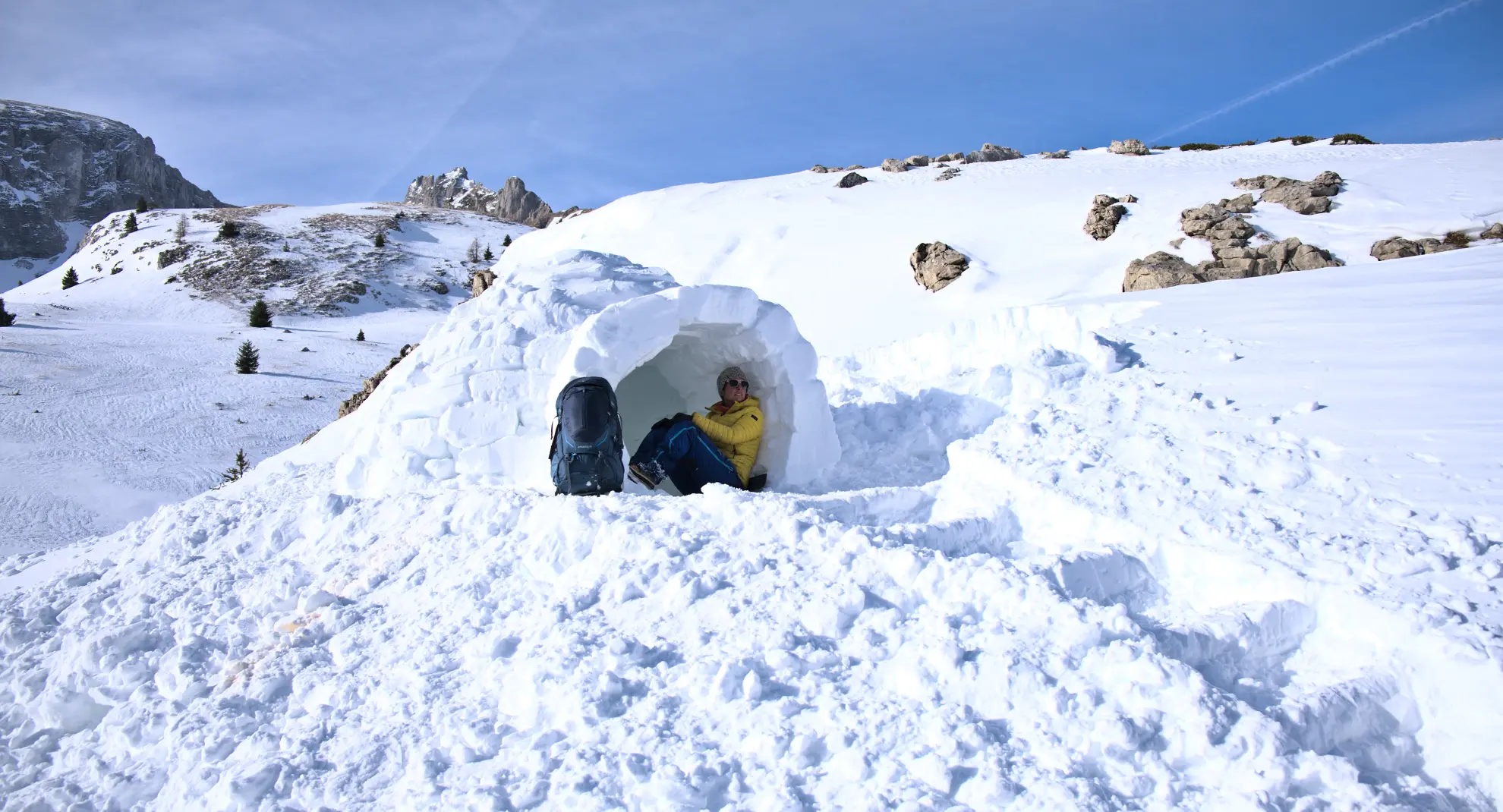
From $263 – 2 joursConfront the challenges and risks of the cold, learn to progress in safety and sleep one night in the snow... A whole program for this winter adventure.
Know more →
 France | Alps
Donkey Mountain Hike
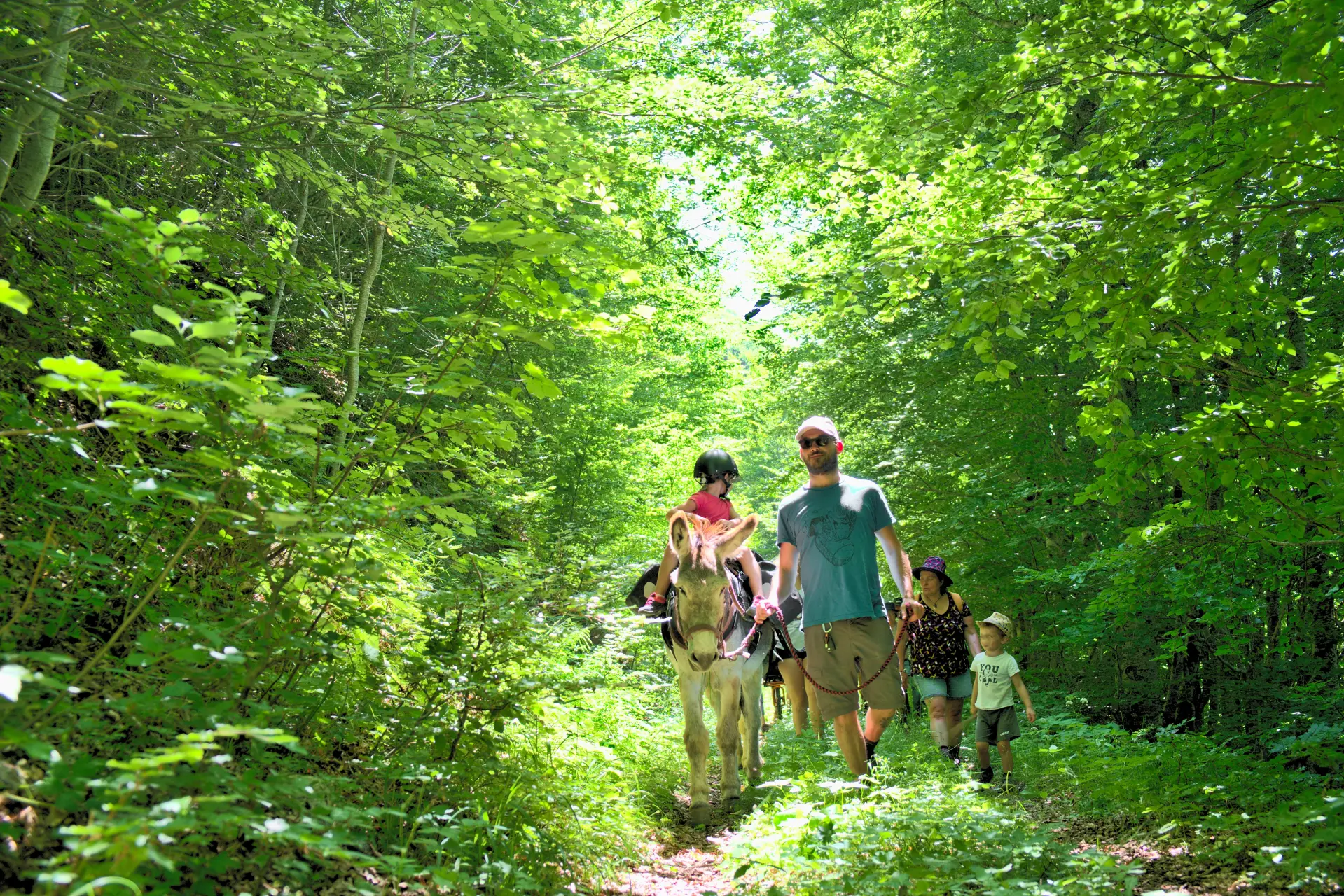
From $473 – 3 daysIn the Écrins National Park, on the Champsaur-Valgaudemar side, come with your family to take part in a fun and friendly walk to discover the driving of donkeys.
Know more →


See also on the hiking blog:
- Altimood Mountain Guides›
- Guided Hikes in the Alps›
- Bivouac Alps›
- Bivouac Gear List