Winter Bivouac Gear Checklist for Snow Camping
Igloo building or cold weather training

Are you excited about your first winter bivouac in the snow?
Perhaps you're worried about getting cold?!
Rest assured—careful backpack preparation makes all the difference. Once properly equipped, you can fully savor this incredible experience: a snowshoeing adventure in the mountains followed by a night in a self-built igloo or snow shelter.
In a 40-60 Liter Backpack
- A sleeping pad
*: foam or inflatable mattress rated for winter use (R-value ≥ 3) - A sleeping bag
*(recommended comfort rating 0°C/32°F maximum; -10°C/14°F is even better) - A thermos (0.5-1 liter)
* - A complete change of clothes: long-sleeve shirt and underwear, warm leggings + sweatpants, 2 pairs of thick socks (wool preferred), a warm jacket like a down puffy (or second fleece), a second pair of footwear
- A small toiletry kit containing sunscreen, bandages (for potential blisters), toilet paper, personal medications, and hand warmers. The mountain guide will carry a more comprehensive first-aid kit.
- A headlamp
* - 2 spare pairs of gloves
- Snacks, if you're used to nibbling while hiking
- Shovel
*/ Probe*(avalanche safety gear) - Cup, airtight container (like a plate), fork-spoon
*
Depending on the weather, a balaclava or storm mask* may also be needed.
In the Pack or On Your Body
Depending on the weather, these items should fit in your backpack or simply be worn to stay warm:
- A waterproof jacket (Gore-Tex or similar 3-layer shell)
- A fleece or pullover
- A hat (spare), gloves (third pair), neck gaiter
On Your Body
- A t-shirt and underwear, a fleece or similar layer (in addition to the change already packed)
- Ski pants or waterproof trousers + leggings (second pair)
- Warm, waterproof hiking boots suited for snow
- Sunglasses (essential for children, strongly recommended for adults)
- Snowshoes, avalanche transceiver, and trekking poles
*(if needed; not recommended for children)
Snow Equipment
Depending on snow conditions, you may need snowshoes or microspikes.
If the outing involves avalanche risk terrain, your gear must include the safety trio: transceiver-shovel-probe.
No need to hunt for winter gear rentals—your mountain guide provides equipment suited to current conditions.
Frequently Asked Questions
3 pairs of gloves—is that really necessary?
Yes! Digging in snow gets your hands incredibly wet, and hands are extremely sensitive to cold. During your outing, you'll learn to manage moisture effectively and might take only 2 pairs next time. But for your first winter bivouac, 3 is better. Entry-level winter gloves work fine.
A second pair of footwear—what type and why?
If you've been on a ski holiday before, you probably already have most of the equipment in your wardrobe. Specialist items like sleeping bags and sleeping pads are provided.
The weak link is often footwear. Unless you have snow boots with removable liners, you'll need a second pair. This proves invaluable after igloo construction when your primary boots are likely soaked.
In the evening around the fire, having dry footwear is a real comfort. Ideally winter-appropriate shoes, but sneakers can work in a pinch.
Do I need to bring a stove or utensils?
For Altimood experiences, you won't need a tent or stove.
The mountain guide leading your snowshoeing weekend handles meals using healthy, local, and lightweight ingredients. They also bring the stove and utensils.
Sometimes, they'll even bring a snow sled (pulka) to lighten your backpack load.
So, are you ready to wake up in the snow?
Don't zip up your pack too quickly! At departure, a friendly equipment and pack weight check will be done pedagogically. Your safety in winter conditions depends on having proper gear, so this verification is especially important. You'll organize your contents with the latest tips and set off in the best conditions for a winter bivouac.
Reminder: Items marked with an asterisk (*) can be borrowed from Altimood, subject to availability. Confirm when booking.
See also the gear checklist for a 2-day snowshoeing trip with refuge stay:
Also Discover
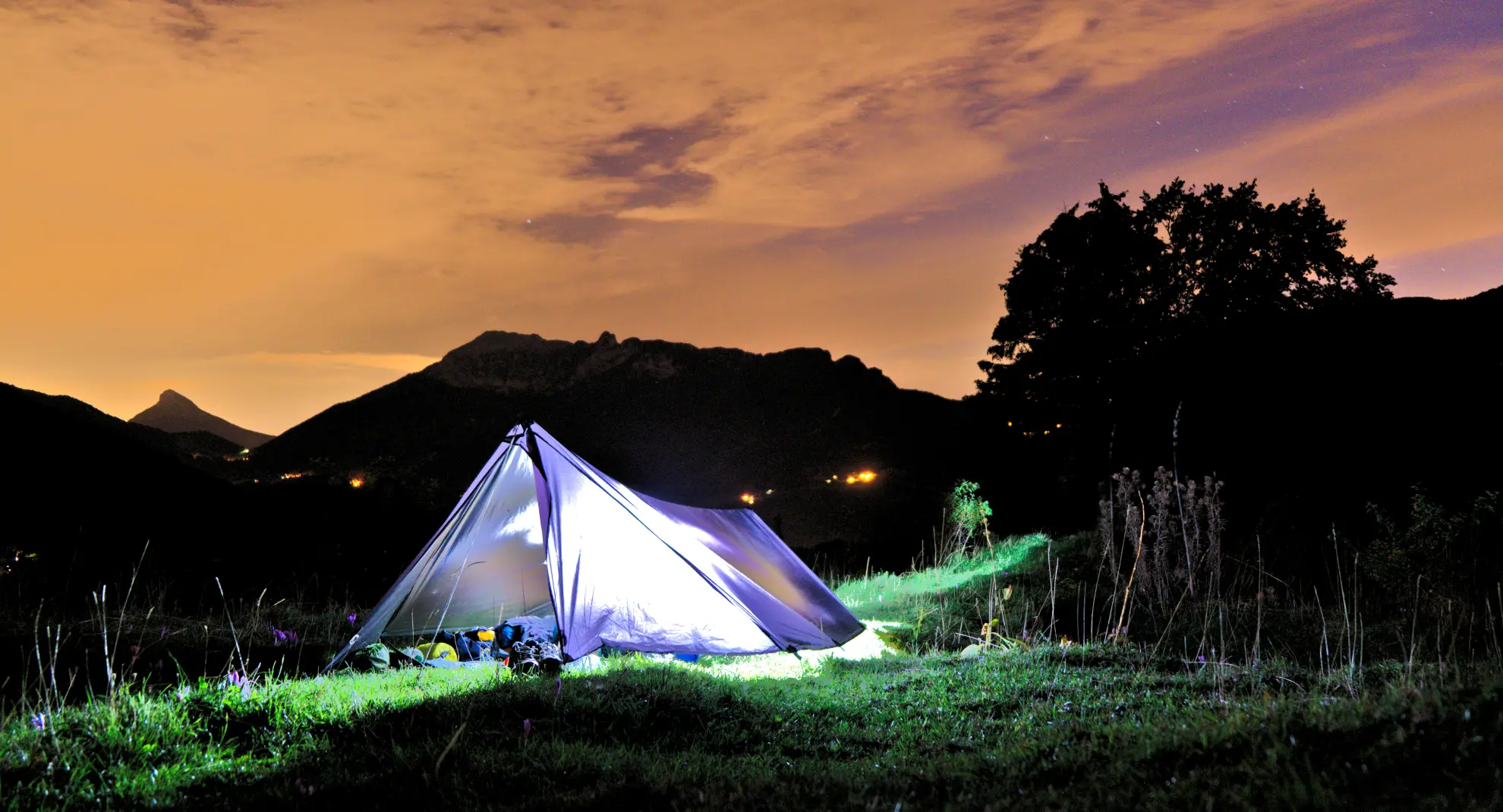 Hautes-Alpes
Stage initiation bivouac et préparation trek
From $342 – 3 joursS'initier à la pratique du bivouac léger en vue de préparer un trek en itinérance, ce stage convivial vous invite à partager l'expérience d'un pro et à peaufiner votre préparation par la pratique.
Know more →
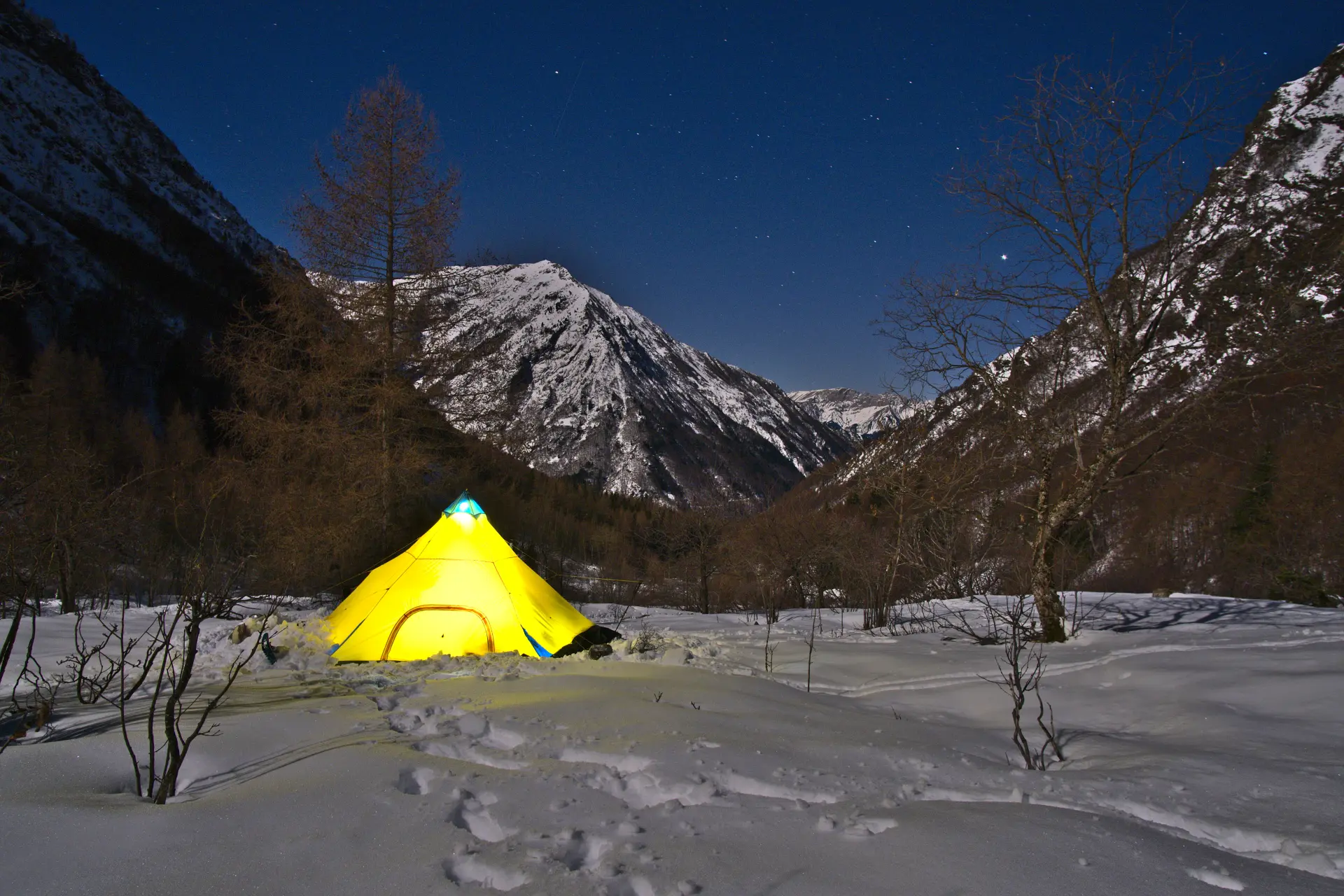 France | Vercors
Stage Bivouac Hiver
Grand FroidFrom $410 – 3 joursSe confronter aux enjeux et aux risques du froid, apprendre à progresser en sécurité et dormir une nuit dans la neige... Tout un programme pour le stage Grand Froid.
Know more →
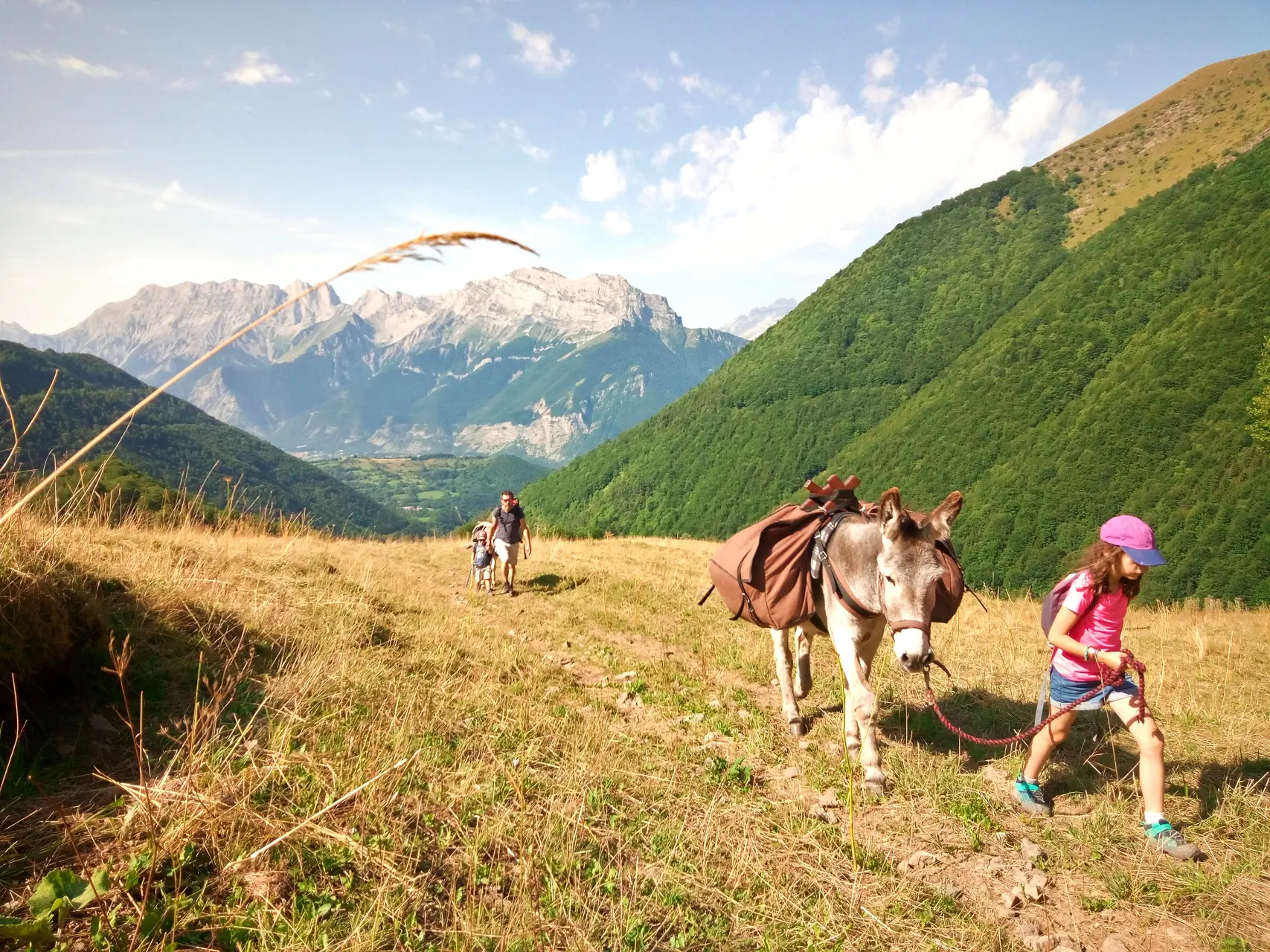 Hautes-Alpes
Bivouac avec les Ânes
Hautes-AlpesFrom $237 – 2 joursAvec nos amis aux grandes oreilles, échappée vous les épaules légères 2 jours en montagne pour un bivouac en altitude.
Know more →


See also:
- the summer bivouac gear list
- Snowshoeing + Igloo Weekend
- How to build an igloo
- Altimood Mountain Guides›
- Snowshoeing Alps›
- Snow Bivouac›
- Winter Bivouac Gear List