Trek Nutrition Guide: What Food to Pack for Multi-Day Hikes

Food and water are the heaviest items in your pack—heavier than your tent or sleeping bag—especially over multiple days. Properly preparing your trek provisions before a self-supported multi-day hike is essential!
As mountain guides on the trails almost daily, we regularly see trekkers exhaust themselves from insufficient caloric intake or struggle under packs weighed down by excessive food.
This article provides the keys to finding your balance between three fundamental imperatives: eating well on a trek (meeting your energy needs), lightening your load (backpack weight), and enjoying your meals (goodbye oat dust).
The cost of provisions and the difficulty of resupplying at a remote mountain grocery also lead us to address the nearly turnkey option of freeze-dried rehydratable meals.
I'm neither a doctor nor a dietitian—this guide, drawn from knowledge we share in our bivouac and trek preparation courses, is based on field experience and applies to short to medium-duration treks. This is not a daily dietary regimen.
The Magic Recipe
There's no magic recipe that suits everyone! From these practical tips, you'll need to adjust and improve your trek provisions based on your needs, tastes, and your ability or willingness to carry more or less weight.
Note that organized trips exist where we handle food logistics (among other things), allowing you to hike with a lighter load.
The Pillars of Hiker Nutrition
The brief answer: round up to 3,000 kcal. To arrive there or refine this number, here's the path to follow. If this quick answer isn't enough, you can calculate your energy needs using specialized trek calorie calculators.
Our Daily Energy Needs
To understand the scope of the effort, let's start with your usual needs. Daily, your Total Daily Energy Expenditure (TDEE) consists mainly of:
- Your basal metabolic rate (60–65% of your needs): the energy to run your body at rest
- Your physical activities (30–40% for a moderately active person)
- Digestion and thermoregulation (8–10%)
Concretely, a sedentary person expends approximately 2,000–2,500 kcal/day for men and 1,800–2,000 kcal/day for women.
Our Energy Needs While Trekking
While hiking, physical activity becomes the dominant factor and can represent 2 to 3 times your basal metabolic rate! A hiker can expend between 300 and 500 kcal per hour of walking, meaning daily:
- Moderate hiker: 6–8h of walking, moderate elevation → 3,000–3,500 kcal/day
- Active hiker: 8–10h of walking, significant elevation → 3,500–4,500 kcal/day
- Intensive trekker: More than 7 hours per day, with elevation gain over 1,000 meters and temperatures dropping to –10°C → approximately 5,000 kcal/day
Our Energy Needs When Conditions Deteriorate
During a trek, several factors can worsen the situation and considerably increase your energy needs. Physical effort is the first element to consider: each additional kilogram in your backpack costs calories.
Trail difficulty (elevation gain, technicality) must also be factored in.
External conditions add to this. Cold and rain, for example, force your body to draw on reserves to maintain temperature, which can represent a 10–15% surplus below 0°C (32°F).
Finally, altitude is a critical factor: above 3,000 meters (10,000 feet), not only do your energy needs skyrocket, but your physical capabilities decrease.
The 3 Fuels of Your Body: Carbs, Fats, and Proteins

Carbohydrates for Hiking
This is your #1 energy source, ideally representing 50–60% of your intake. "Slow" sugars (low/medium GI) like semolina, pasta, brown rice, oatmeal, or red lentils release progressively and provide sustained energy that forms the base of your meals. "Fast" sugars (high GI) such as dried fruits, cereal bars, chocolate, candy, or fruit paste give an immediate boost, perfect for a "bonk" or before a big climb.
Fats for Hiking
This is your endurance fuel, representing 25–35% of your intake.
Fats are slower to digest but provide highly concentrated energy (9 kcal per gram versus 4 kcal for carbs and proteins) and sustained release, ideal for long efforts and fighting cold. This is the secret to lightening your pack! Think nuts (walnuts, almonds, cashews), oils, hard cheeses, cured meats, or dark chocolate.
Proteins for Hiking
These are the mechanics, representing 15–20% of your intake.
Their role is to repair and maintain muscles put to the test. They're essential but in smaller quantities.Examples: dried meat, salami, cheese, powdered milk, lentils, chickpeas
The Golden Rule of Trekking: Calories/Weight/Pleasure Ratio
The trekker's challenge is maximizing caloric intake while minimizing carried weight. Aim for foods providing at least 400 kcal per 100g. Oil, for example, provides 900 kcal/100g—but good luck to whoever tries to survive on 400g of oil daily while ignoring the diversity needed for nutritional balance.
Classification by Energy Density
- Excellent (>500 kcal/100g): Nuts, almonds, oils, peanut butter
- Good (400–500 kcal/100g): Chocolate, aged cheese, salami, pasta
- Acceptable (300–400 kcal/100g): Bread, cookies, dried fruits
- Avoid (<300 kcal/100g): Fresh fruits, fresh vegetables, canned goods in water
Freeze-Dried Meals: The Technical Turnkey Solution
Freeze-dried meals deserve particular attention in the modern trekker's arsenal. This dehydration technology through sublimation remarkably preserves the nutritional and taste qualities of food while drastically reducing weight.
The Undeniable Advantages of Freeze-Dried
A freeze-dried meal typically weighs between 100 and 150g for 400 to 600 kcal—an exceptional calorie/weight ratio. Preparation amounts to adding hot water and waiting a few minutes. Shelf life counts in years without refrigeration, and the diversity of available dishes now rivals restaurants: mushroom risotto, beef stroganoff, vegetable curry, pad thai... Manufacturers have considerably improved textures and flavors in recent years.
Note: to reach 3,000 kcal, you often need to plan for 5 to 6 freeze-dried meals per day and/or supplement with dried fruit.
Drawbacks to Consider for Freeze-Dried
Cost remains the main barrier, as does the difficulty of resupplying freeze-dried meals at grocery stores along the route.
Expect $10–20 per meal—3 to 5 times the price of an equivalent homemade meal. Sodium content is often high to compensate for taste loss from the freeze-drying process.
Some trekkers find these meals less satisfying than traditional equivalents, probably due to their particular texture. Finally, despite progress, taste sometimes remains artificial compared to a cooked dish.
When to Choose Freeze-Dried Meals?
These meals excel in certain situations:
- Long-duration treks without resupply needs or possibilities
- Lack of time or desire to prepare provisions
- First treks to test your needs before investing time in your strategy
They also make excellent emergency meals.
3 Strategies for Building Your Menu
Strategy 1: 3 Meals Per Day – Business as Usual
The most traditional approach, ideal for those who like to take their time, especially families or groups. This is also the approach we favor on our organized trips as it provides an opportunity for convivial breaks.
Breakfast is a meal rich in slow sugars to start the day. Plan 150g of muesli or oatmeal with powdered milk as a base, enriched with almond powder, coconut flakes, or chocolate powder. A savory option with aged cheese or cured meat perfectly completes this first meal.
Lunch is a substantial meal with a break (siesta?!) to aid digestion. Prepare a base of couscous, pasta, or rice with dehydrated vegetables, accompanied by proteins like salami or dry cheeses (Swiss, Gruyère, Gouda, aged cheddar). For flavor, dehydrated vegetables like garlic, chives, carrots, and sun-dried tomatoes are a must and easily found.
Dinner is often an invitation for a hot, comforting meal to recharge batteries. Build an energy base with pasta, rice, couscous, quinoa, or instant mashed potatoes. Add proteins via freeze-dried meat, lentils, or powdered eggs and dried vegetables. Don't forget pleasure with spices, herbs, and cheese.
Bivouac tip: avoid herbal tea in the evening after meals, especially in winter, to avoid nighttime bathroom trips.
Strategy 2: Continuous Grazing
This approach suits the "sporty" hiker who doesn't like long breaks and wants to maintain a constant pace. It's what we choose when going out on personal adventures.
Throughout the day, regularly nibble on dried fruits (mix of walnuts, hazelnuts, almonds and cashews, raisins, cranberries, dark chocolate), cheese, or cured meat.
Evening is often our only real "meal" of the day, more copious and hot to compensate, most often based on dehydrated soup (for flavor), cheese (for pleasure), and couscous (for carbs).
Strategy 3: No-Stove Trekking or Cold Soaking
The ultralight strategy par excellence saves the weight of stove and fuel.
The principle: rehydrate foods in cold water in an airtight container 1–2 hours before eating. Advantages include significant weight and time savings. Drawbacks affect comfort (no hot meal) and limited choices since not all foods work.
Absolutely avoid in winter.
Energy Management During Effort
Fractional Eating
Better to eat light but regularly during hiking to maintain stable blood sugar. Recommended rhythm: a light snack every hour or every 5 km (3 miles).
Strategic Snacks by Timing
At early morning departure, favor dried fruits and nuts.
Mid-morning, opt for an energy bar or chocolate.
During intense efforts, fruit paste and dates excel.
In case of a slump during a climb, fast sugar (candy, energy gel) is easier to ingest when saliva is lacking.
At stage end, salted dried fruits or cheese help recover lost minerals.
Logistics: Guide Tips
Repackaging: Eliminate the Superfluous!

Forget cardboard packaging. We recommend repackaging in reusable ziplock freezer bags. Prepare your meals day by day or by type. Weigh everything and note calories if you want precision. This is the best way to take only what's necessary.
Homemade vs. Ready-Made Trek Food?
This point is very similar to the freeze-dried question.
The "homemade" approach offers controlled budget and personalized tastes but requires time-consuming preparation with sometimes higher weight. The "specialized products" approach optimizes the weight/calorie ratio and saves time but is expensive with standardized tastes.
Combine both according to your priorities and test on short outings.
Building a Tasty, Nourishing Meal with Simple Ingredients
Start with a base of no-cook or quick-cooking starches like semolina or oatmeal (also pre-cooked polenta, instant mashed potatoes, Chinese noodles, or vermicelli).
Enrich your recipe with flavor: dehydrated soup, bouillon cube, spices, fried onions, garlic powder, and a vial of olive oil.
For proteins and fats, smoked lardons keep well, as do chorizo or salami, dried beef, and cheese.
Meat or cheese isn't essential—dried fruits often contain much more protein and fat.
Hydration: The Other Essential Pillar
Dehydration drastically diminishes your performance and increases injury risk. Drink before you're thirsty!
Your daily needs range from 2 liters minimum per day, to 3–4 liters during intense effort, plus an extra 500ml–1L in heat or at altitude.
Tips:
- Snow/meltwater: This water is demineralized. To avoid digestive issues, add a pinch of salt or an electrolyte tablet. It's not mandatory.
- Drink regularly in small sips rather than a lot at once
Classic Mistakes to Avoid
The "Just in Case" Trap
Resist the temptation to bring too much food "just in case." Every gram counts on your shoulders. Your body is capable of drawing on reserves over a few days.
Neglecting Eating Pleasure
Don't sacrifice everything at the altar of weight. A piece of chocolate, good salami, a small bag of your favorite tea... These small pleasures are incredible morale boosters. Don't underestimate them.
Ignoring Your Eating Habits
Don't completely revolutionize your diet on a trek. Instead, adapt your habits to mountain constraints.
Underestimating Cold's Impact

Cold increases your caloric needs. Plan for 10–15% additional calories if temperatures drop below 0°C (32°F).
Our Guide Advice
There's no universal menu. The best advice we can give is to test. Take advantage of a one or two-day hike to try a strategy, see if quantities suit you, and if you like what you're eating.
Start simple: test your food strategy on short outings before departing for a multi-day trek. Note what works well for you and adjust progressively.
Listen to your body: permanent hunger isn't normal on a trek. If it persists, increase your caloric intake, even if it means carrying a bit more weight.
Don't be afraid of a slight caloric deficit over a few days. You'll likely make up for it at the first bakery encountered (or with a generous slice of blueberry tart at a refuge).
Prioritize variety: alternating textures, flavors, and temperatures (hot/cold) maintains appetite and eating pleasure over several days.
The important thing is finding your own balance between necessary energy, a pack you enjoy carrying, and meals that make you smile at the end of the day.
Remember: a well-fed trekker is a happy and high-performing trekker. Mountain nutrition isn't an exact science—it's an art learned through experience.
Happy preparation and enjoy every bite up there!
Sources and Further Reading
- Book: The Complete Guide to Sports Nutrition by Anita Bean
- Article: Backpacking Food (backpackinglight.com)
Continue Reading
 France | Alpes
Mountain bivouac in the Alps
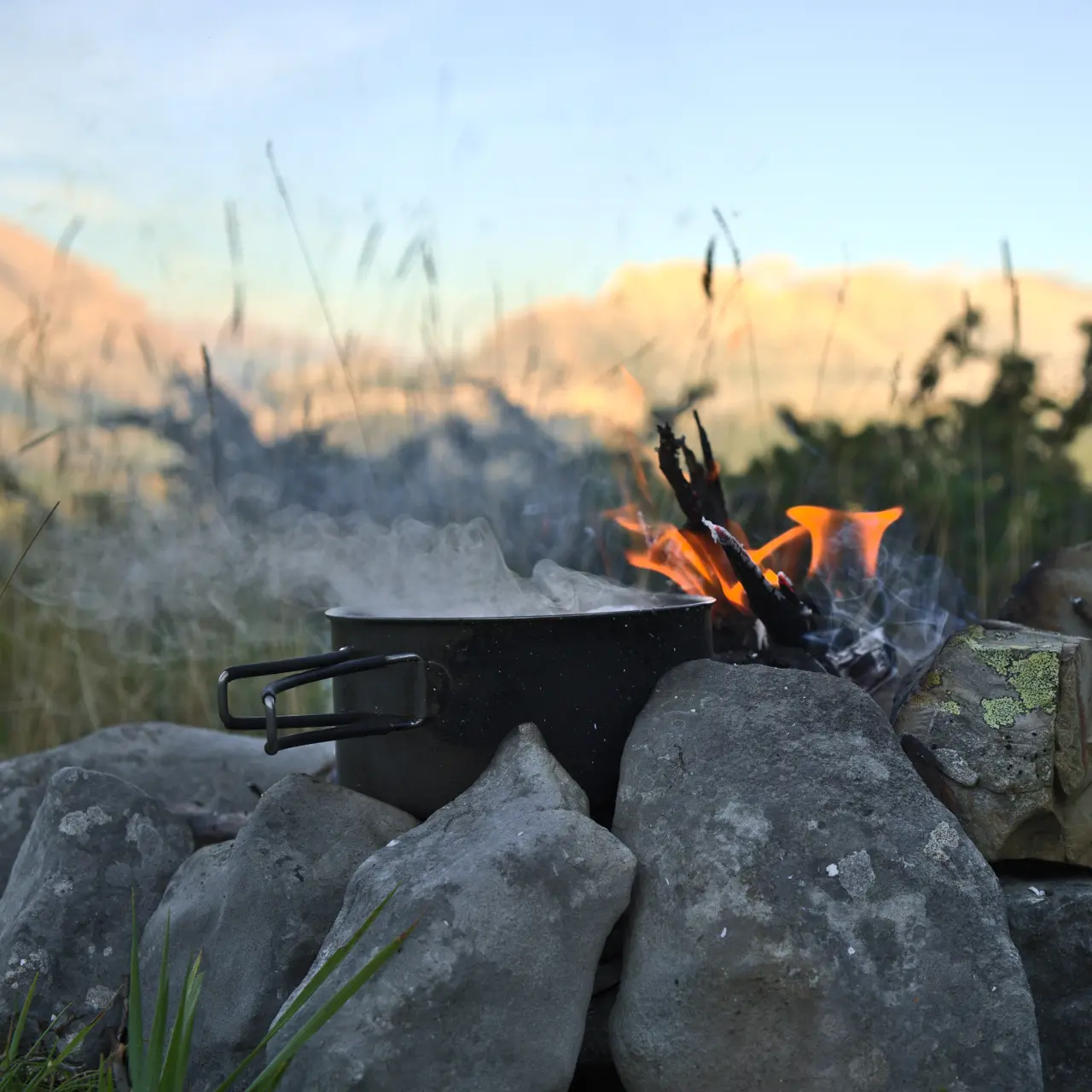
From $263 – 2 joursGo hiking in the mountains to enjoy the sunset, a shepherd's meal cooked on the coals and fall asleep under the stars sky. A 2 days hiking trip in the Alps.
Know more →
 Écrins
Écrins National Park Tour
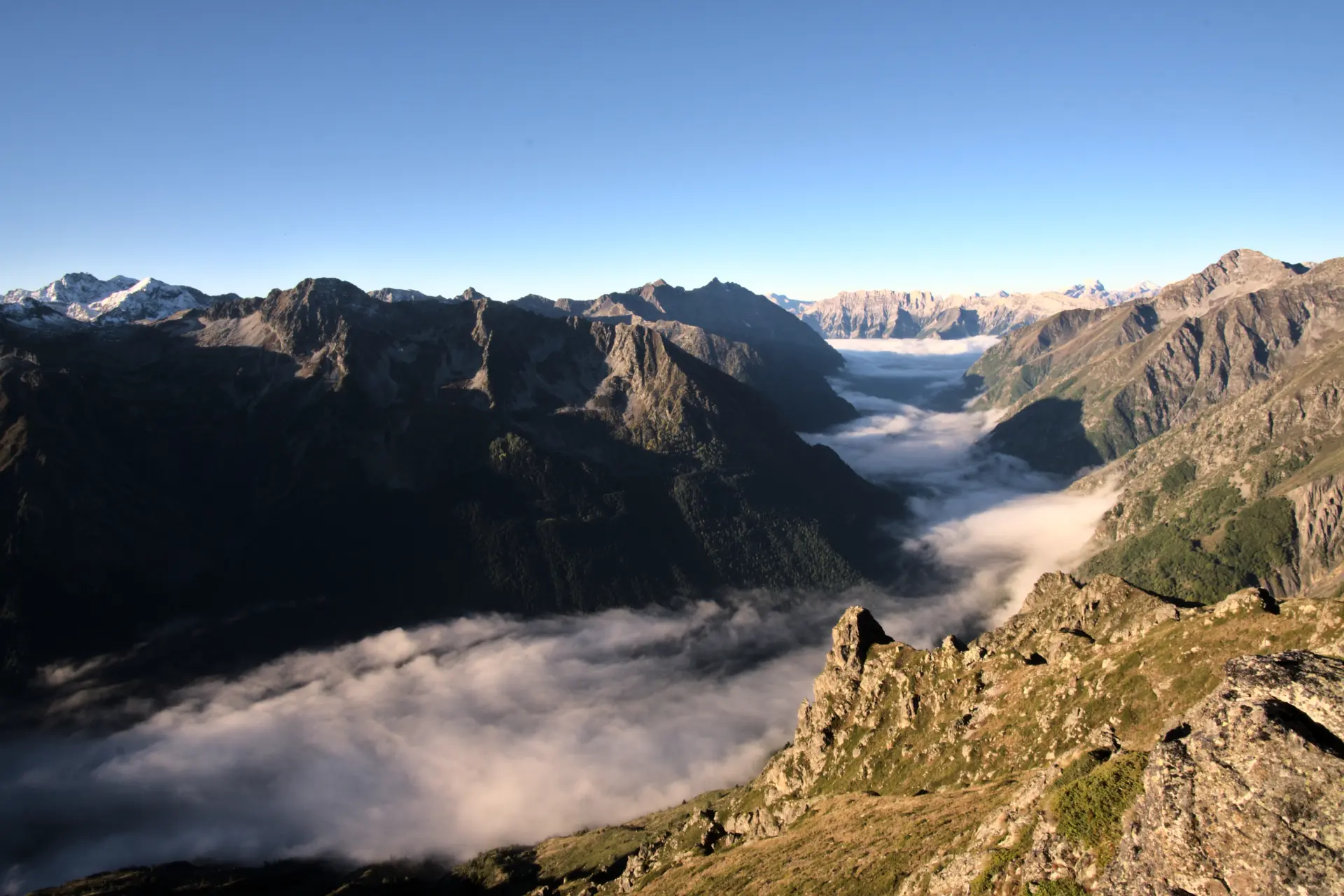
Hiking Southern AlpsFrom $777 – 6 jours6 days of trekking in one of the wildest part of the Alps.
Know more →


- Altimood Mountain Guides›
- Guided Hikes in the Alps›
- Trek Nutrition