Mountain Hut vs Gîte: What's the Difference?

When hiking for multiple days on a trek in the Alps, nighttime comfort is an important consideration. It impacts the difficulty of your hike and your mood when you wake up.
If you prefer a bed under a roof rather than the poetry of a night under the stars, then the question arises: hotel, gîte (mountain lodge), or refuge (mountain hut)? Here's a focus on the differences between these three types of accommodation.
Each accommodation is different, and if you have questions about any of our trips, don't hesitate to ask us directly.
Difference Between Gîte and Refuge
Staffed Mountain Refuge (Refuge Gardé)
The refuge is a more conventional mountain accommodation distinguished from the gîte (described below) by its energy autonomy:
- Dormitory sleeping arrangements
- Limited to very limited electricity (lighting only; outlet in the best case)
- Shower (from solar showers to gas-heated water)
- Dry toilets or flush toilets
The distinctive feature of staffed refuges is their operation: they offer more extensive food options than what you could carry in your backpack, thanks to helicopter resupply.
See: Preparing your backpack for a refuge stay.
Refuge Outside Staffing Period (Unstaffed Refuge)
The refuge outside staffing season resembles a basic mountain cabin. Unlike the staffed refuge, it has the following characteristics:
- No reservations are possible. Our trips during unstaffed periods may switch to bivouac if the refuge is full. Note that if the refuge is unstaffed, we're generally in low season.
- Toilets are usually closed for winter: temperature inside the building can drop below zero, and to protect pipes, running water is shut off. A spring often flows nearby.
Going during unstaffed periods offers a dose of adventure: has another group planned to come to the refuge? Will we need to play rock-paper-scissors for the last mattress? Solidarity in refuges is the rule, so even during high attendance, a solution is always found to let everyone sleep.
When we offer a trip with an overnight in an unstaffed refuge, you accept the possibility that the refuge might be full. On our side, we favor less-frequented areas to avoid this surprise (though we can't guarantee it!).
Gîte d'Étape (Mountain Lodge for Hikers)
The gîte d'étape or group lodge is a classic accommodation with dormitory-style rooms and all the amenities of a simple, ordinary house: electricity, hot shower, meals, and refreshments.
Unlike all the previous accommodation types, it's accessible by car via paved road. Otherwise, it would be a refuge.
Hotel or B&B
Finally, the hotel or bed & breakfast allows you to escape a dormitory for a night of sleeping in complete privacy. Private rooms for one to six people.
Also Discover in the Alps
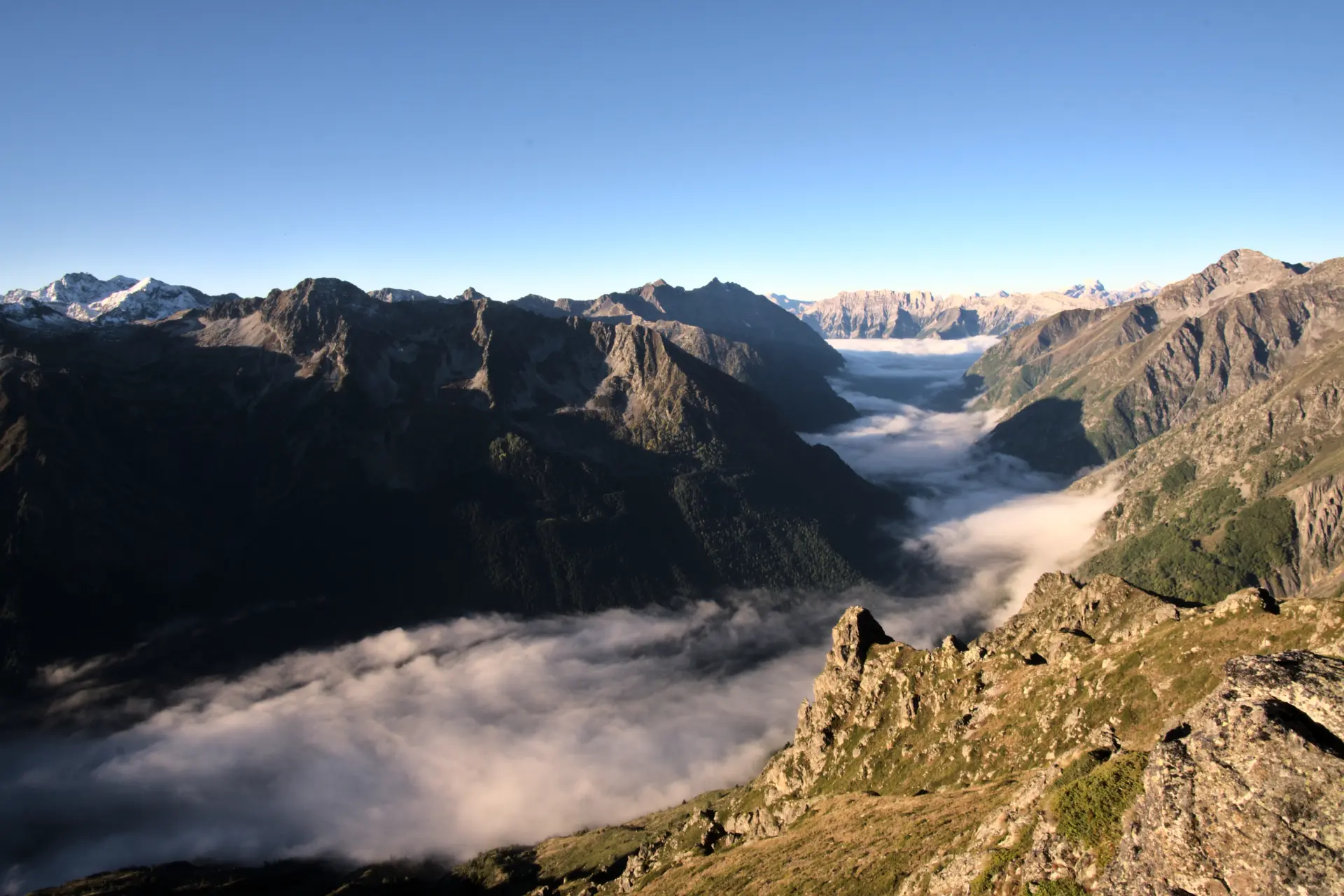 Écrins
Écrins National Park Tour
Hiking Southern AlpsFrom $986 – 6 jours6 days of trekking in one of the wildest part of the Alps.
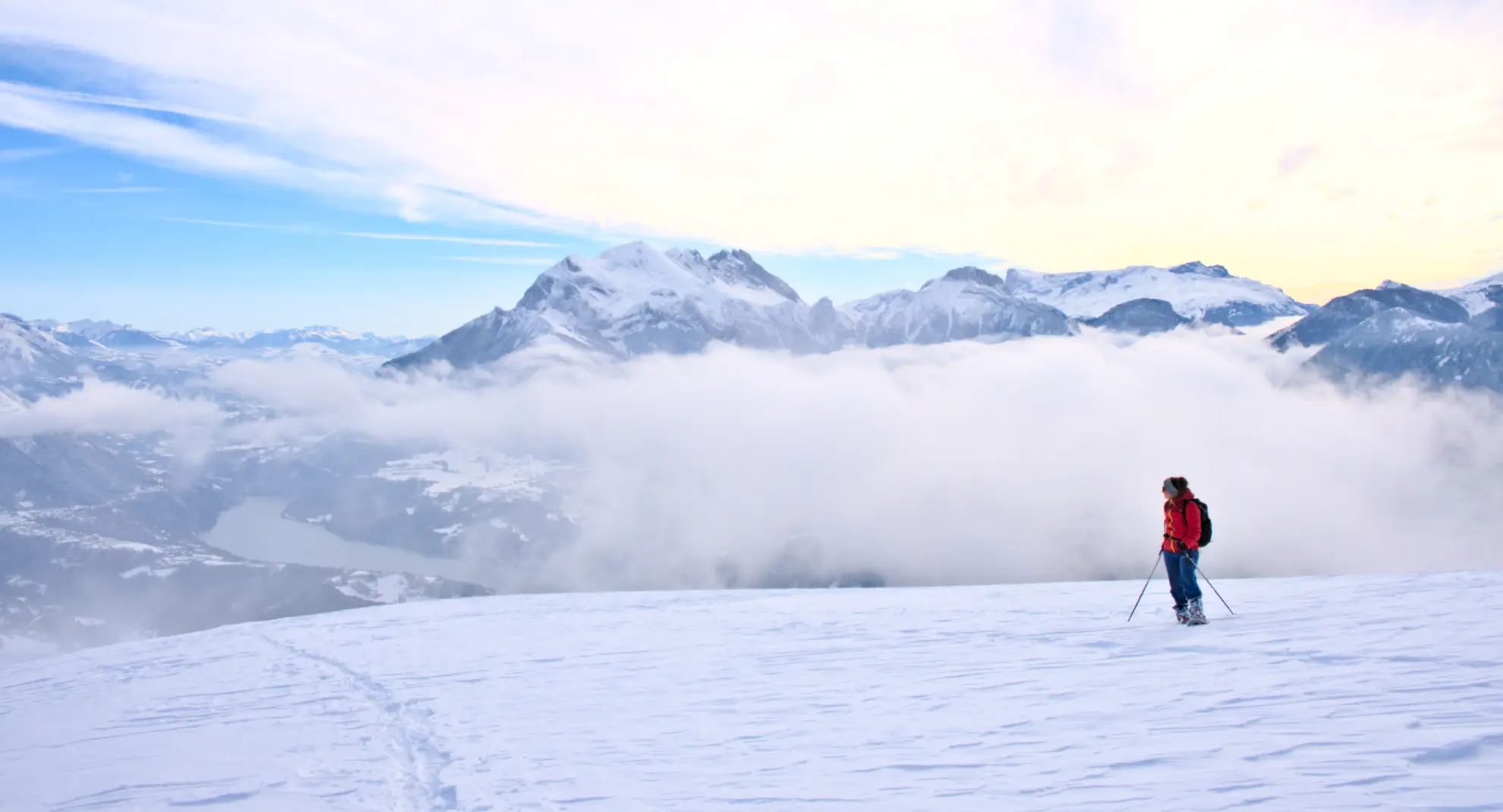 France | Southern Alps
Snowshoeing tour with a night in a hut
From $270 – 2 joursAn immersion in the heart of the snowy Alps for a night at altitude in a mountain refuge.
Know more →
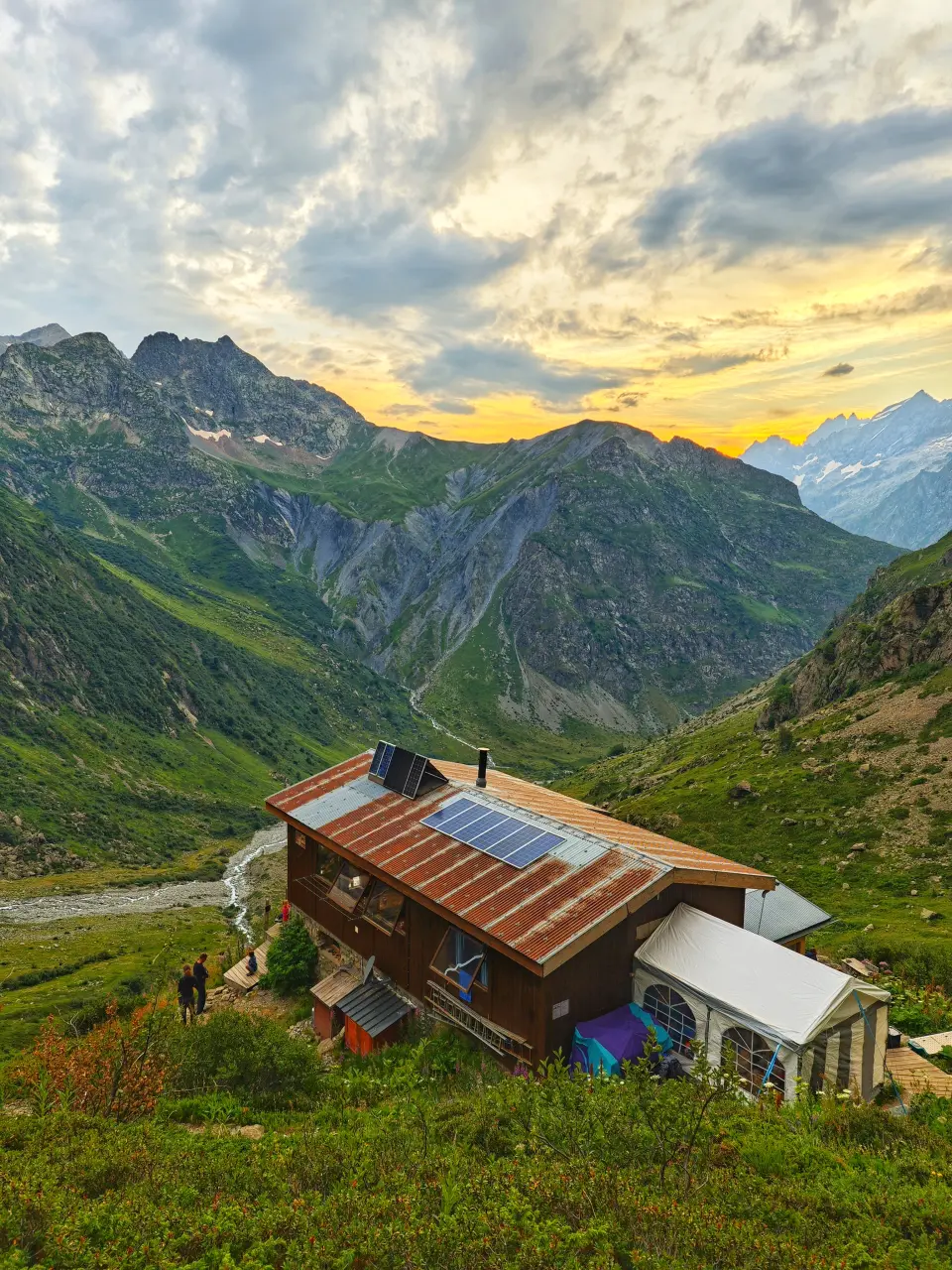 France | Southern Alps
Écrins National Park Traverse
From $711 – 5 daysA 5-day guided trek through the wildest part of the French Alps.
Know more →


- Altimood Mountain Guides›
- Guided Hikes in the Alps›
- Mountain Hut vs Gîte: What's the Difference?