Hiking Difficulty Levels: Understanding the 1 to 5 Scale

Whether for a day hike or a multi-day trek in the Alps, the hikes offered and led by Altimood mountain guides can present varying degrees of physical effort, technical challenge, and comfort, what we sometimes summarize as elevation gain.
When you register, Alice or Robin, the professionals guiding you, will invite you to specify your level by asking about your recent mountain experiences and your weekly physical activity.
To facilitate this first contact, you can observe on each mountain outing a level or range of levels on this site. Below, their corresponding explanations, the concept of With or Without Baggage Transfer, and for multi-day trips, the notion of overnight comfort from bivouac to mountain lodge.
Let's not forget that going to the mountains means going with other people, which implies a group spirit. This is what we call hiking with a group: from theoretical difficulty to practice.
Physical or Technical Difficulty of Hikes by Level
Level 1: Accessible
Level 1 outings are our nature activities. They present no physical difficulty (reduced distance, minimal elevation). They aim to help you discover the surrounding nature on foot. 2 to 4 hours of walking.
Level 2: Moderate
During these hikes, you'll have the opportunity to climb up to twice the height of the Eiffel Tower in a day: 600m of elevation gain maximum. Easy to intermediate, these itineraries of 2 to 6 hours of walking are suitable for people in good physical health who practice sports at least occasionally.
Level 3: Intermediate
During these hikes, you'll climb up to four times the height of the Eiffel Tower in a day: 1,200m of elevation gain maximum. Intermediate level, these itineraries of 4 to 6 hours of walking are suitable for people in good physical health who practice sports regularly (at least once a week).
Level 4: Sustained
During these hikes, you'll climb more than four times the height of the Eiffel Tower in a day: between 1,200m and 1,800m of elevation gain maximum. Difficult level, these itineraries of 6 to 8 hours of walking are suitable for people in good physical health who practice sports regularly (at least twice a week) and have already hiked in mountains.
Some passages may present technical difficulties: boulder fields, exposure to drops, vertigo-inducing sections, etc.
Level 5: Intense
Add a touch more difficulty and we're at level 5 hikes. Sport, technicality, off-trail sections, exposed ledges. These are some of the ingredients of these itineraries regularly exceeding 1,500m of elevation gain, reserved for people who come to the mountains regularly and maintain their physical fitness (2 to 3 endurance sports sessions per week).
Hiking with a Group: From Theory to Practice
When registering, you consider your physical capacity to choose, with Robin or Alice's help, the most appropriate mountain experience.
Some will prioritize comfort by choosing their level, while others will seek to push outside their comfort zone by taking it up a notch.
Unless on a private outing with a guide, you'll find yourself in a group with sometimes heterogeneous levels.
The Altimood guide takes care to adapt the itinerary as best as possible so that all participants enjoy the experience. You are also an actor in the spirit of the outing.
It's with a group spirit that you should come to these outings, prioritizing mutual help and solidarity like a rope team so that everyone can have a positive experience.
The more athletic can offer to lighten others' backpacks or enjoy alternate routes during lunch break. In winter, they can even try breaking trail through powder snow ahead of the guide, an experience that calms enthusiasm when fresh snow is abundant.
What Difficulty Level Should You Choose?
It's up to you to adjust your mountain ambitions to your capabilities (with our help).
Want a relaxed vacation enjoying the scenery? Choose a level suited to your capabilities. If the group is on the same "leg length," perhaps some sporty alternatives will be offered. If you're struggling, the guide will adapt the itinerary on the ground as best as possible.
Want to push outside your comfort zone? Then you'll sweat, hopefully while keeping a smile. But be reasonable: excessive fatigue could lead you to give up mid-route or worse, to body aches like soreness, tendinitis, muscle strains, and cramps.
In any case, we'll take time to guide you so you don't feel overwhelmed during your mountain outing.
With or Without Baggage Transfer
Day hikes and star-based multi-day hikes are Without Baggage by default. This means your backpack contains only the day's minimum requirements: mountain safety essentials, water, picnic lunch.
Multi-day point-to-point hikes can be with or without baggage transfer for one or more stages.
The amount of carrying is detailed individually for each trek in its description.
For a point-to-point hike Without Baggage, your belongings follow you either by road from one accommodation to another (we handle the logistics), or with donkeys.
This way, you find your personal bag of belongings each evening while having enjoyed a day of hiking with light shoulders.
Comfort and Overnight Options
Going for multiple days also means questioning our limits and desire for overnight comfort. Instead of the poetry of a night under the stars during a bivouac in the Écrins, you might prefer a dormitory bed in a refuge or your own room in a hotel. Here are some descriptions to clarify the different types of accommodation we offer on our trips:
Elevation Gain Explained
Elevation gain in hiking is the altitude difference an itinerary invites you to climb or descend during your journey. It's often much more important than distance covered, because even if a hike is short in kilometers, climbing or descending steep slopes can considerably increase the physical difficulty.
Imagine climbing a steep hill for an hour: you may have only covered a few hundred meters horizontally, but the effort felt will be much greater than if you had walked an hour on flat terrain.
In the mountains, elevation gain is calculated in meters of positive elevation (D+), which corresponds to the total meters you'll climb during the hike. For example, if you read "1,000 meters of D+," this means you'll need to climb the equivalent of 1,000 meters in height, about three times the height of the Eiffel Tower! The steepness of the trail remains to be discovered.
Elevation gain is a good indicator of how much physical effort a hike will require. Thus, it's often more important than distance itself for evaluating a mountain outing's difficulty.
Also Discover in the Alps
 France | Alpes
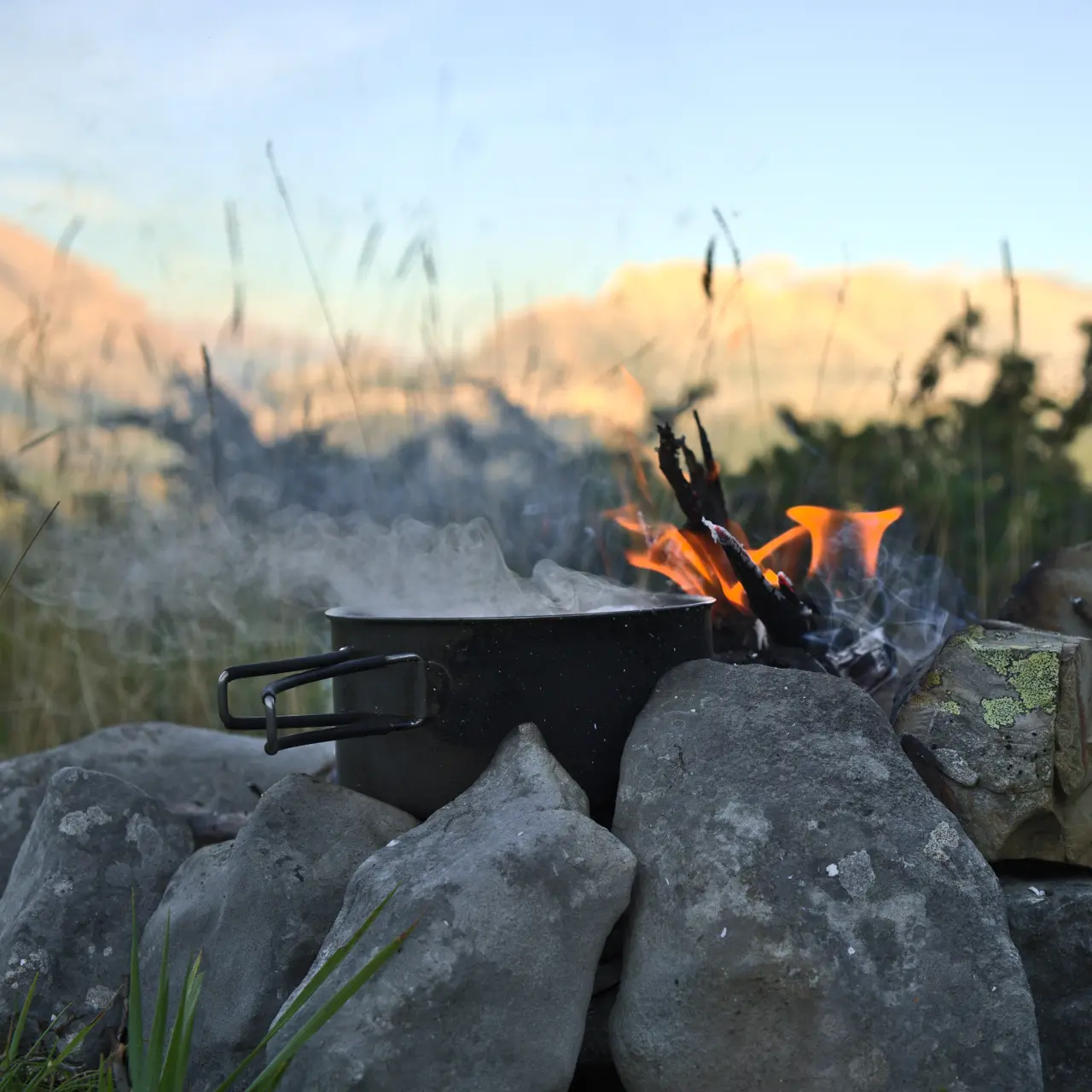
Mountain bivouac in the Alps
From $232 – 2 joursGo hiking in the mountains to enjoy the sunset, a shepherd's meal cooked on the coals and fall asleep under the stars sky. A 2 days hiking trip in the Alps.
Know more →
 France | Alps
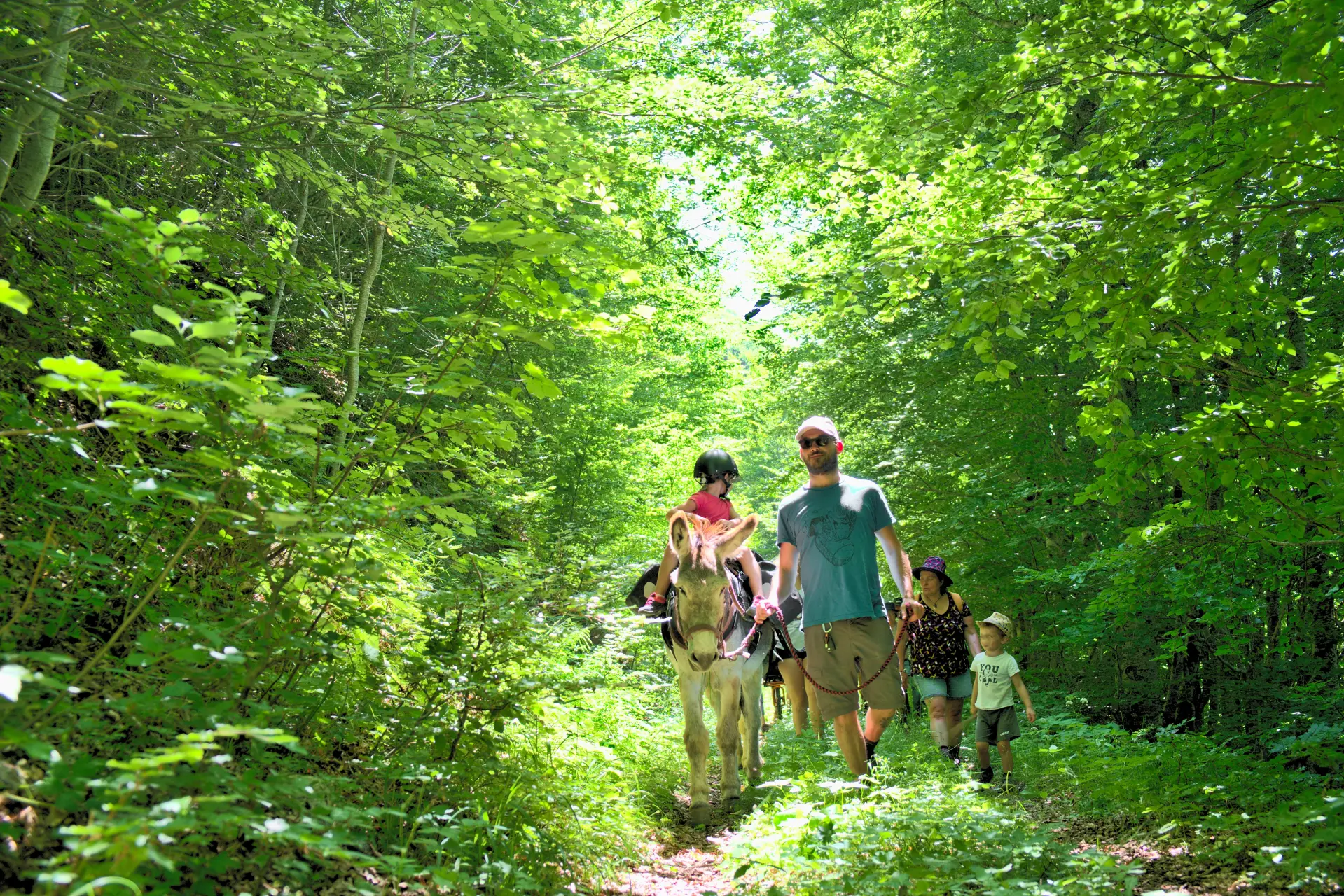
Donkey Mountain Hike
From $371 – 3 daysIn the Écrins National Park, on the Champsaur-Valgaudemar side, come with your family to take part in a fun and friendly walk to discover the driving of donkeys.


- Altimood Mountain Guides
- Guided Hikes in the Alps
- Difficulty Levels